Organise Sourdough Recipes Around the Starter
A sourdough recipe is really a timetable. The ingredients are simple; what you are actually following is a sequence of waits that has to line up with the rest of your day.
Organise around the starter, because the starter is what constrains everything else.
8 recipes to start from
Each one opens as a recipe page here, with the ingredients and timings, and credits the creator who published it.
01
Sourdough Granola
countryroadssourdough.com · 40 min · makes 11
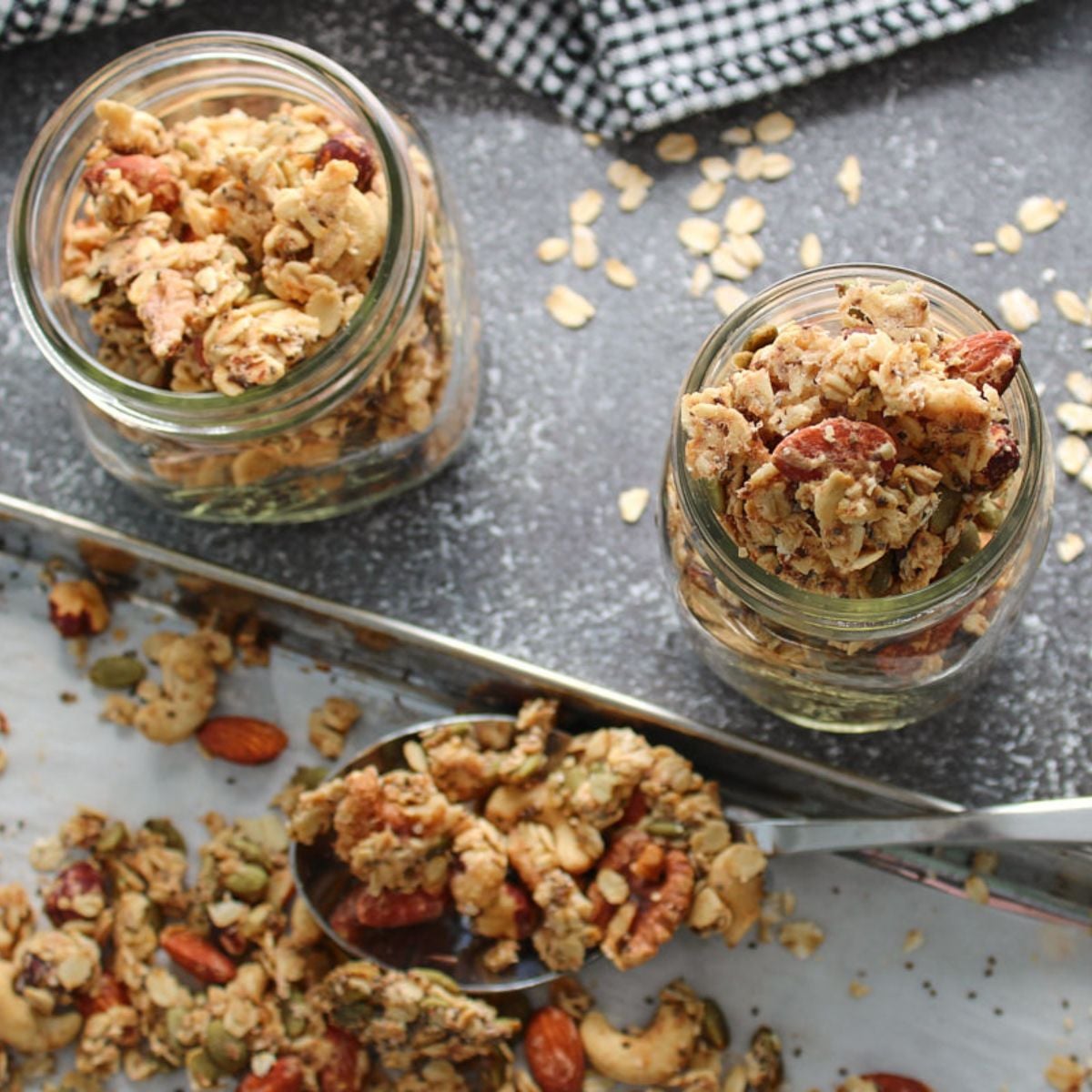
Made with old-fashioned oats, sourdough discard and maple syrup. 40 min, makes 11, 9 ingredients.
02
Sourdough Focaccia
countryroadssourdough.com · 7h 55m · makes 12
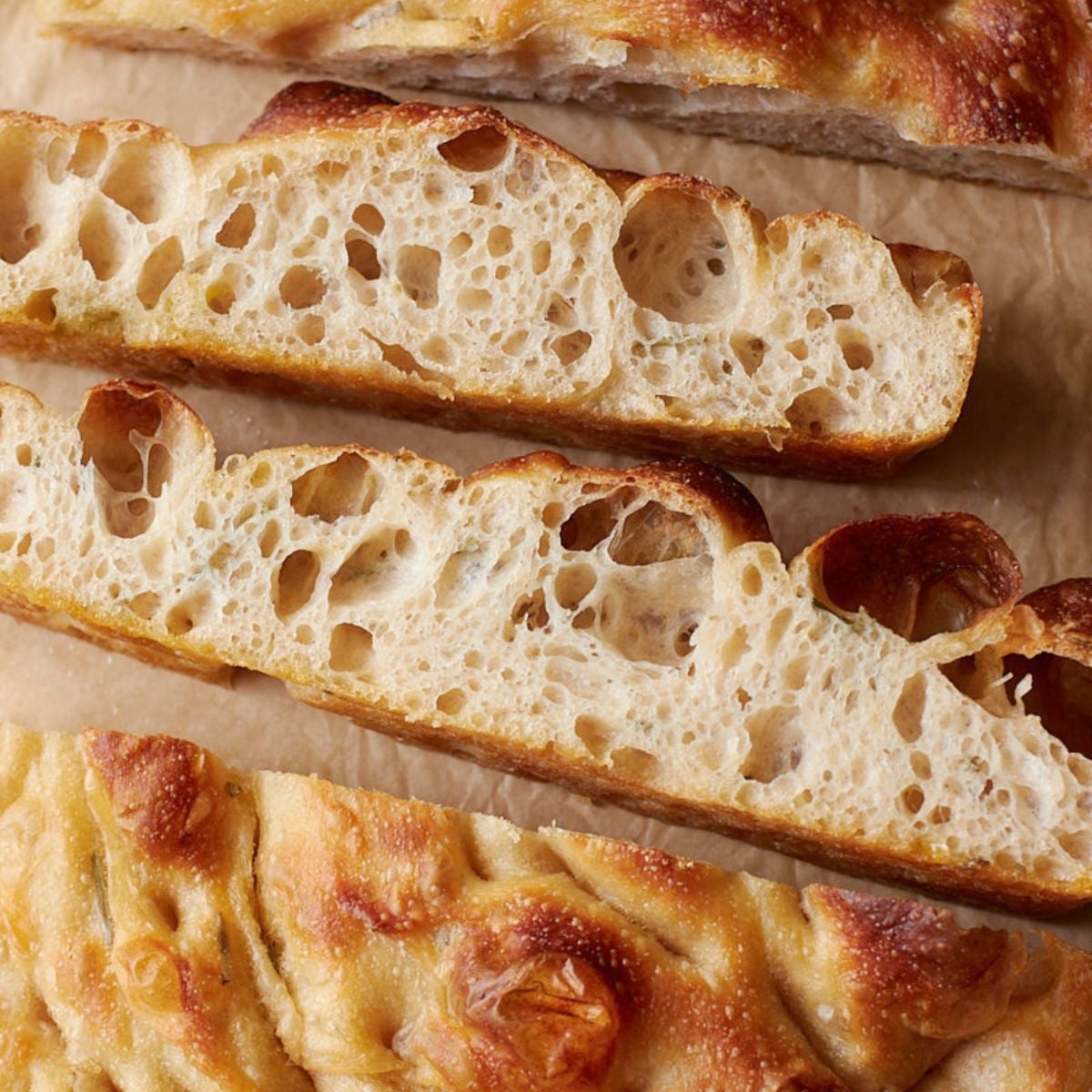
Made with active sourdough starter. 7h 55m, makes 12, 5 ingredients.
03
Sourdough Bagels
lifestyleofafoodie.com · 1h 5m · makes 8
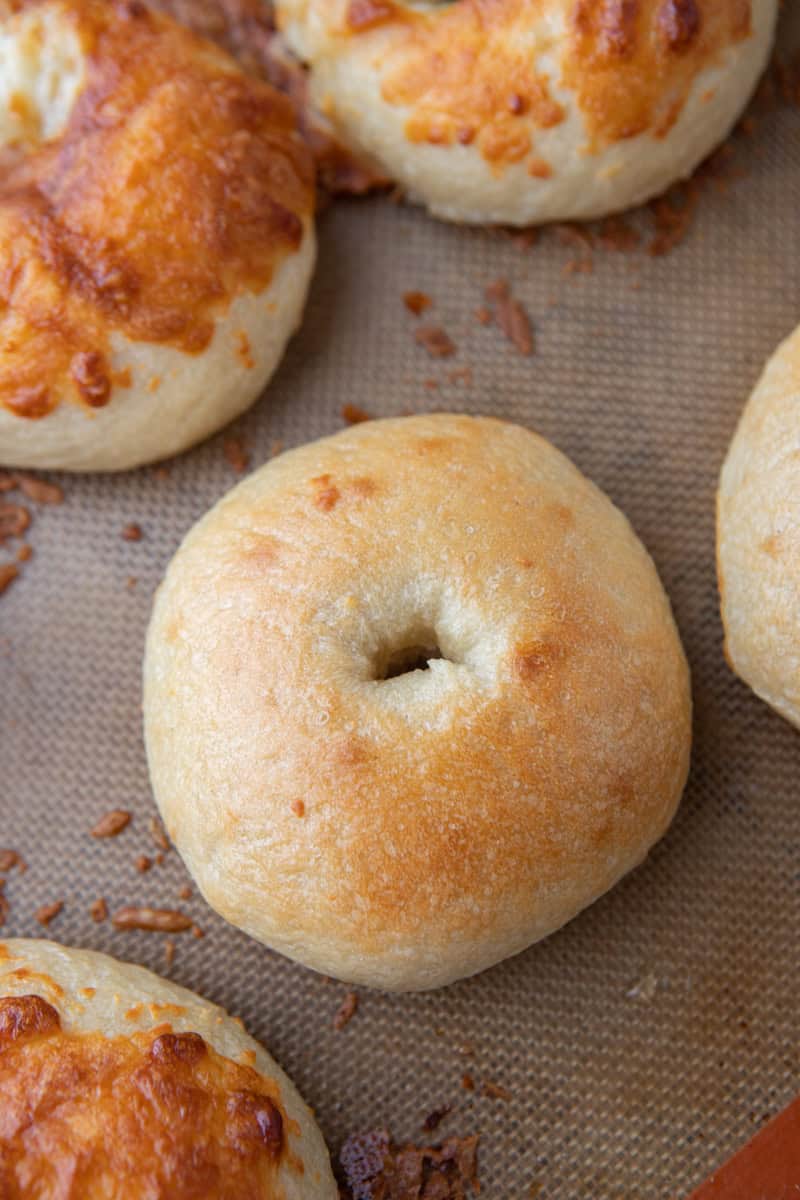
Made with active sourdough starter, shredded cheddar cheese and jalape os. 1h 5m, makes 8, 9 ingredients.
04
Sourdough Croissant Bread
lifestyleofafoodie.com · 17h · makes 12
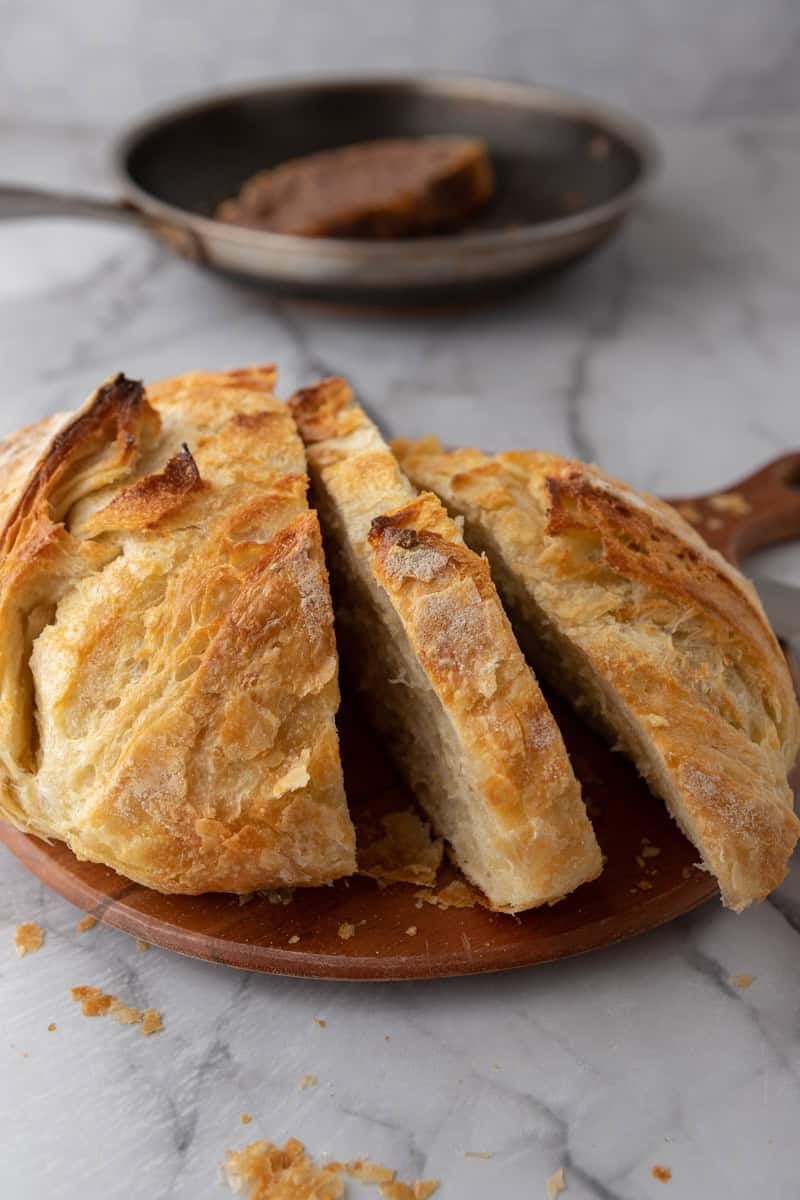
Made with active sourdough starter. 17h, makes 12, 5 ingredients.
05
Sourdough Bagels
simplicityandastarter.com · 9h 20m · makes 8

Made with active sourdough starter and honey. 9h 20m, makes 8, 6 ingredients.
06
Sourdough Brioche
simplicityandastarter.com · 11h 10m · makes 20

Made with active sourdough starter, tangzhong and milk cold. 11h 10m, makes 20, 11 ingredients.
07
Sourdough Pretzel Bites
countryroadssourdough.com · 8h 32m · makes 8

Made with active sourdough starter and water heated to 100 f. 8h 32m, makes 8, 13 ingredients.
08
Sourdough Fruit Pizza
simplicityandastarter.com · 47 min · makes 12

Made with sourdough discard, cream cheese and honey. 47 min, makes 12, 17 ingredients.
What makes sourdough different to organise
- Discard and active starter are different collections. A discard recipe is something you make because you have discard; an active-starter recipe is something you plan two days ahead for.
- Timings are relative to your kitchen, not the author's. Your notes on how long bulk fermentation actually took are more useful than the published number.
- Recipes are repeated constantly with small variations, so your own version diverges from the original quickly.
- The schedule matters more than the method, and the schedule is the part that rarely fits inside a recipe card.
How to build it
- Split discard recipes from active-starter recipes. They answer completely different questions.
- Write your actual timings into the notes. Kitchen temperature makes the published ones approximate at best.
- Note the starter's state when the bake worked, since that is the variable you will want to reproduce.
- Keep a short list of the discard recipes you actually make, because that is a weekly decision.
Frequently asked questions
How should I organise sourdough discard recipes?
Separately from active-starter recipes. Discard recipes are chosen because you have discard to use; active-starter recipes are planned days ahead. Mixing them makes both lists harder to use.
Why do my sourdough timings differ from the recipe?
Because fermentation is driven by temperature and your starter, not by the clock. Record what actually happened in your kitchen in the notes on your saved copy and trust that over the published number.